Residential Plumbing Problems Every Edgewater, FL, Homeowner Should Know
Homeowners in Edgewater, FL, face residential plumbing challenges driven by hard water, high humidity, aging infrastructure, and the mix of well, septic, and city utility connections common throughout Volusia County. Understanding these local conditions can help you catch small problems before they become expensive repairs.
Hard Water Scale: The Hidden Threat in Edgewater Pipes
Edgewater draws water from the Floridan Aquifer, where groundwater is naturally enriched with calcium and magnesium from ancient limestone formations. Over time, those minerals deposit inside pipes, fixtures, and water heaters, reducing water pressure and shortening the lifespan of plumbing equipment.
Signs of hard water damage include chalky residue around faucets, reduced water pressure, and water heaters that lose efficiency faster than expected.
Prevention tips for hard water:
- Have your water tested to confirm hardness levels.
- Flush your water heater annually to clear sediment.
- Ask a plumber about water softening or filtration options suited to your home.
- Replace corroded shut-off valves and faucet cartridges before they fail completely.
How Does Florida's Humidity Affect Residential Plumbing?
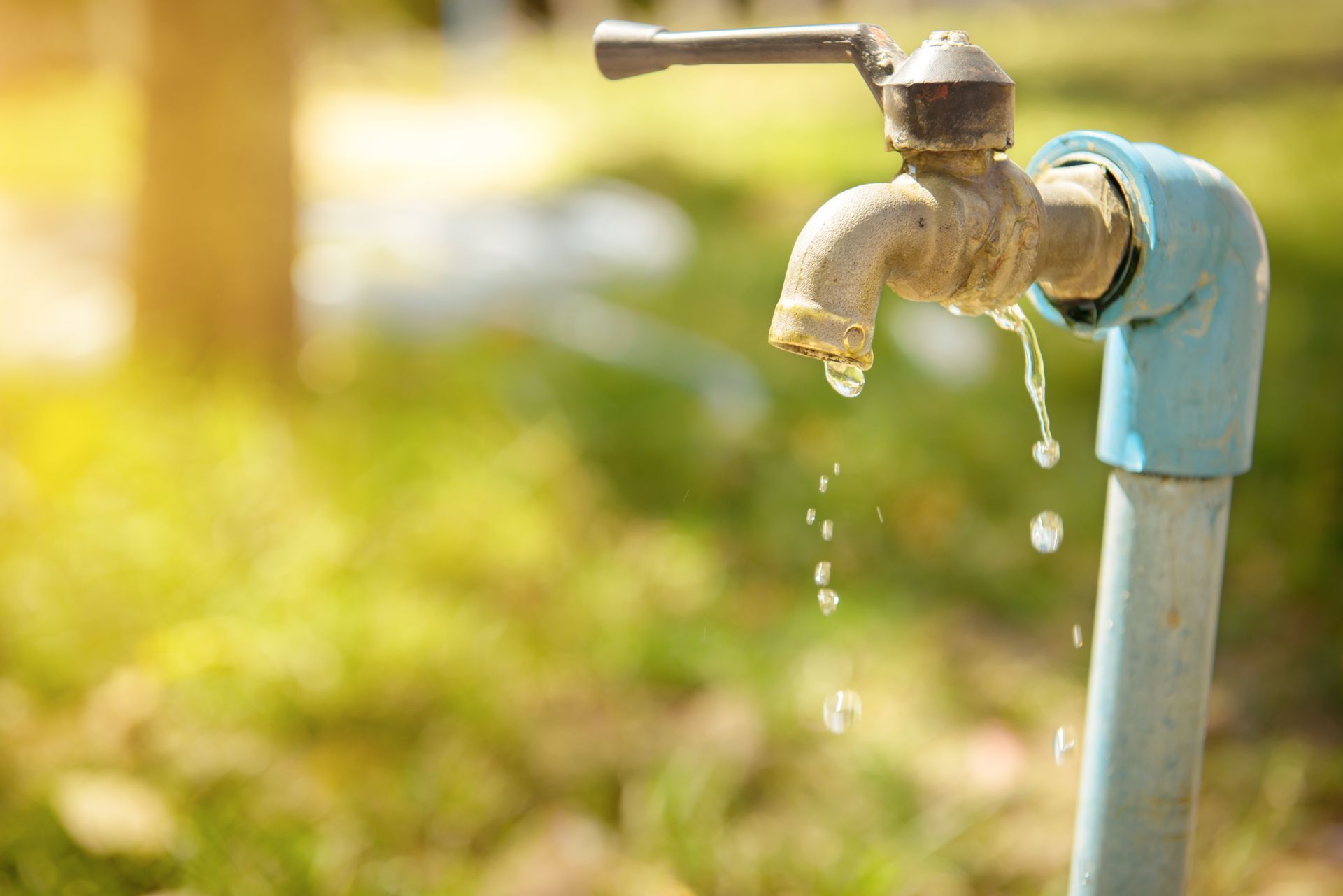
Moisture trapped in crawl spaces and wall cavities speeds up corrosion on copper and galvanized pipes. Coastal salt air also accelerates external corrosion on exposed pipes and fittings. Humidity-related corrosion often goes unnoticed until a pinhole leak appears, requiring immediate professional attention.
Keeping crawl spaces and utility areas ventilated, checking exposed pipe fittings regularly, and addressing minor drips quickly can help limit moisture-driven damage over time. A residential plumbing inspection is one of the best ways to catch these issues early before they escalate.
Aging Pipes and Slab Leaks in Established Neighborhoods
Many Edgewater neighborhoods built in the 1960s through the 1980s still rely on original cast iron or clay pipes deteriorating from decades of salt air exposure. Older homes may also have copper supply lines thinned from years of hard water contact.
Slab leaks are a particular concern in Florida. Homes built on concrete slab foundations can develop leaks in water lines running beneath the slab, driven by warm ground temperatures, soil movement, and corrosive water chemistry. Warning signs include unexplained spikes in your water bill, warm spots on the floor, or the sound of running water when no fixtures are in use.
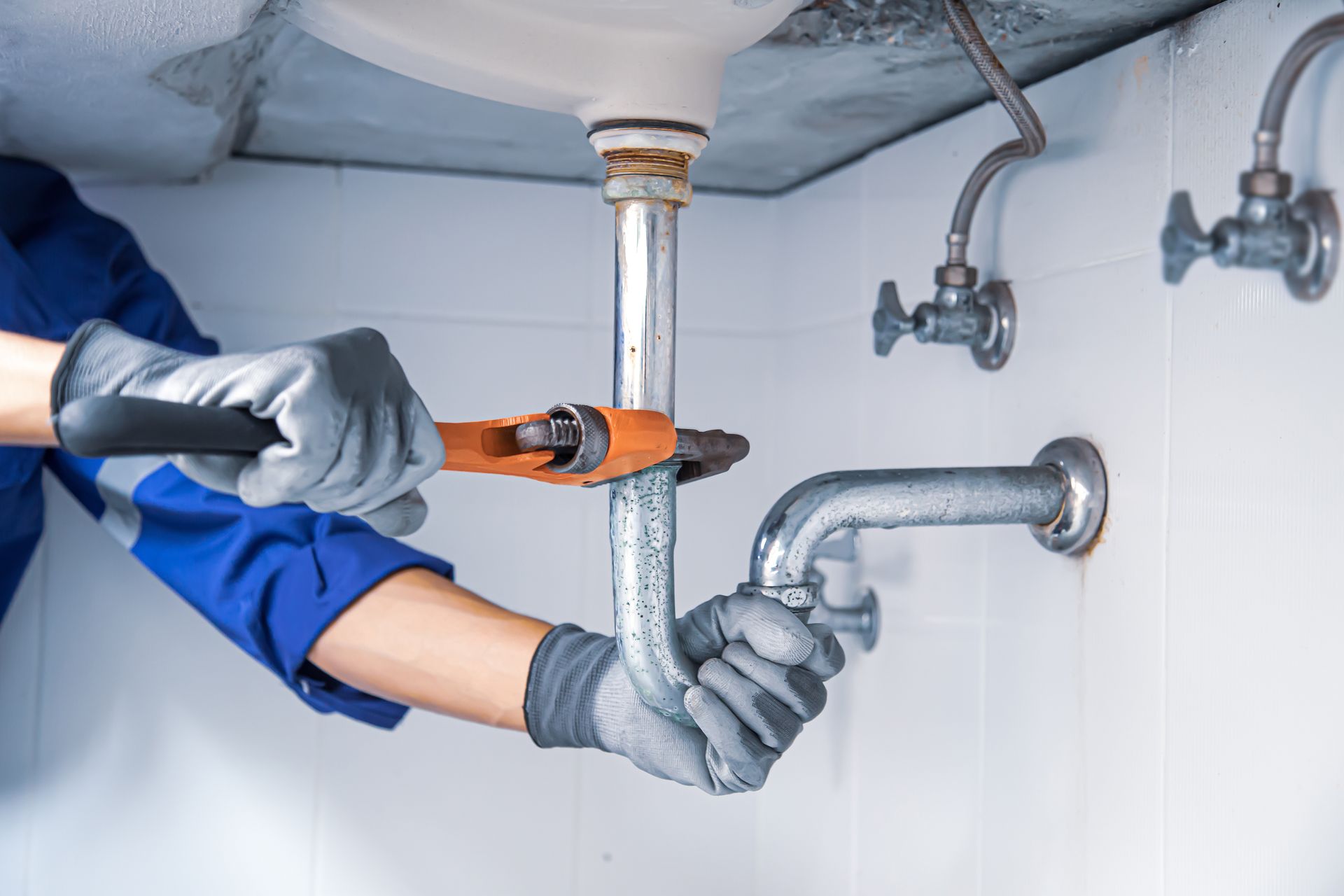
Early detection can prevent foundation damage and mold growth. You can explore what's involved with residential plumbing repair in Edgewater, FL to understand your options.
Well and Septic Systems in Volusia County
Not all Edgewater properties connect to city water and sewer. Many properties, especially west of US 1 and toward the county line, run on septic. On the flat, sandy terrain near the Indian River, when a tank fills or a drain field starts to fail, the signs appear fast: slow drains, wet spots in the yard, or odor near the tank. Properties close to the Indian River sit only a few feet above the water table, and a saturated drain field cannot absorb what your tank sends it, which is why repairs here often require raised or reengineered fields rather than a simple patch.
Septic and well maintenance tips:
- Have your septic tank inspected and pumped on a regular schedule.
- Watch for slow drains, gurgling sounds, or unusually lush patches of grass over the drain field.
- Test well water periodically for mineral content and bacterial contamination.
- Never plant trees or large shrubs over septic lines or near well heads.
Seasonal Stress and Root Intrusion
During Florida's rainy season and hurricane periods, groundwater infiltration can stress septic systems and sewer lines. Mature oak, palm, and cypress trees common in Edgewater yards send invasive roots into older sewer lines seeking moisture. Root intrusion develops slowly, so slow drains throughout the house are an early warning sign worth investigating before a full blockage occurs.
Frequently Asked Questions About Residential Plumbing in Edgewater, FL
What Are the Most Common Plumbing Problems in Edgewater Homes?
Hard water scale buildup, corroded pipes, slab leaks, and aging sewer lines are among the most frequently reported issues. Homes with septic systems may also face drain field problems related to the area's high water table and sandy soil.
How Does Hard Water Damage Residential Plumbing Over Time?
Mineral deposits gradually narrow the inside diameter of pipes, reducing flow and increasing pressure. Water heaters and fixtures tend to wear out faster when scale is left untreated, often well before their expected service life.
How Can I Tell If I Have a Slab Leak?
Common signs include unexplained increases in your water bill, warm or damp spots on the floor, low water pressure at multiple fixtures, or the sound of running water when nothing is turned on. A licensed plumber can perform a pressure test to confirm whether a slab leak is present.
How Often Should I Have My Plumbing Inspected in Edgewater, FL?
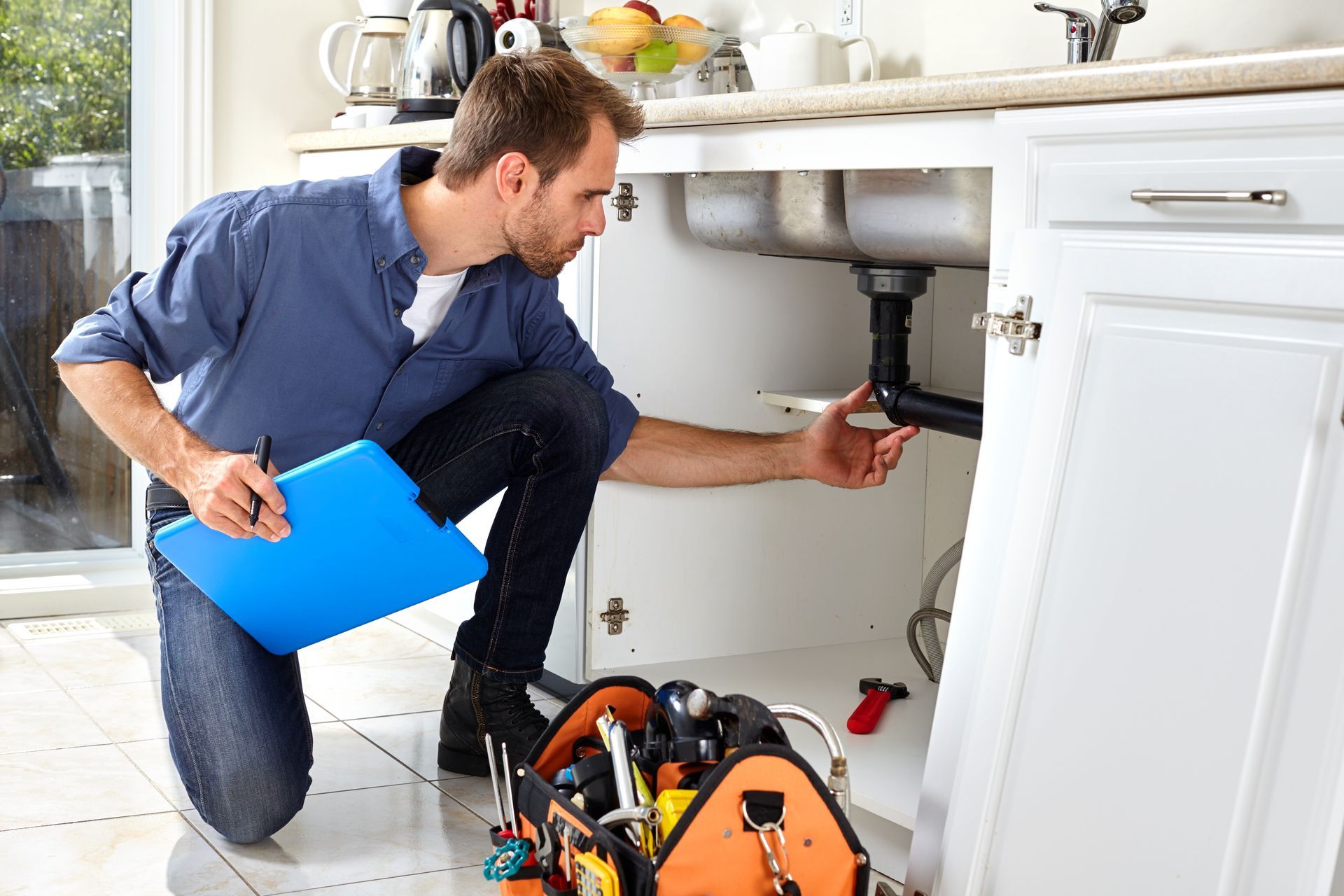
Most plumbing professionals recommend a whole-home inspection every one to two years for homes older than 20 years. Properties on well and septic systems may benefit from more frequent checks given Florida's soil and water table conditions.
Schedule an Inspection With Coleman Plumbing
At Coleman Plumbing, we have served Edgewater, FL, and the surrounding Volusia County communities for over 25 years, with locally owned operations, a one-year warranty on all labor, and 24-hour emergency service availability. Whether you are dealing with hard water buildup, a suspected slab leak, aging pipes, or a septic concern, our team can help you assess the situation and move forward with confidence.
To request a free estimate or schedule a plumbing inspection, visit the plumbing estimate page or call (386) 428-1838 today.